Instructional Design and Artificial Intelligence: Activities crafted with ChatGPT 5.

All the activities here were born of human-AI collaboration.
Ideation and direction by Shafali R. Anand;
Research, programming & SME Expertise by ChatGPT 5.

Combining Human Creativity with AI's Evolving Capabilities

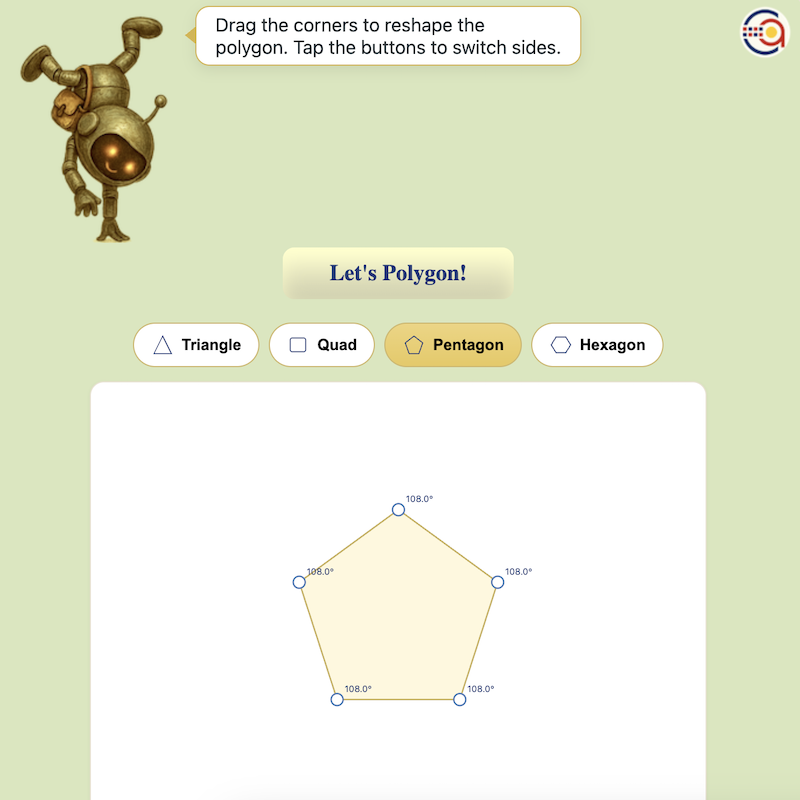
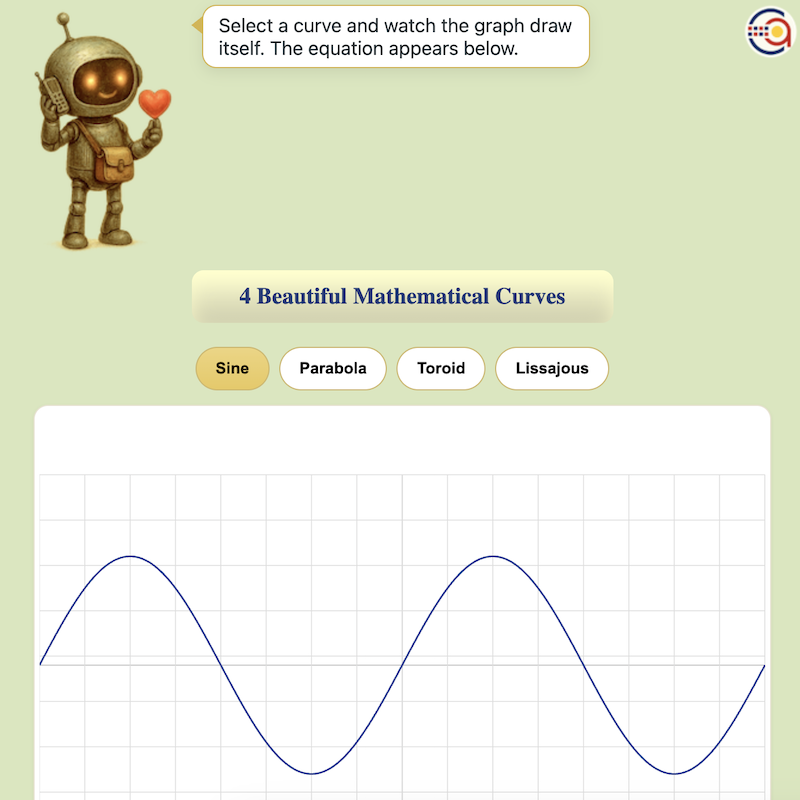
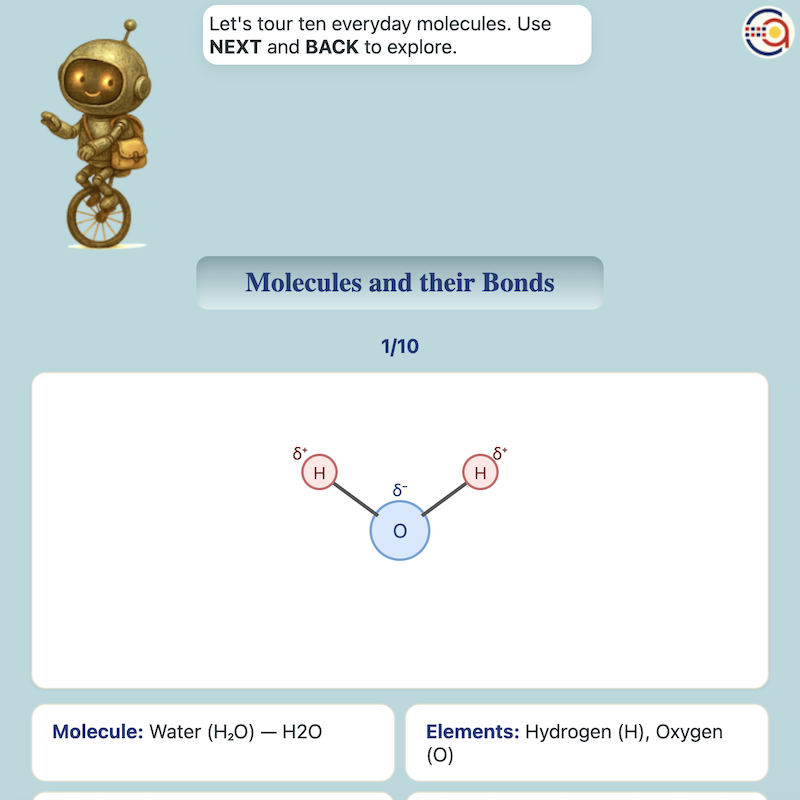
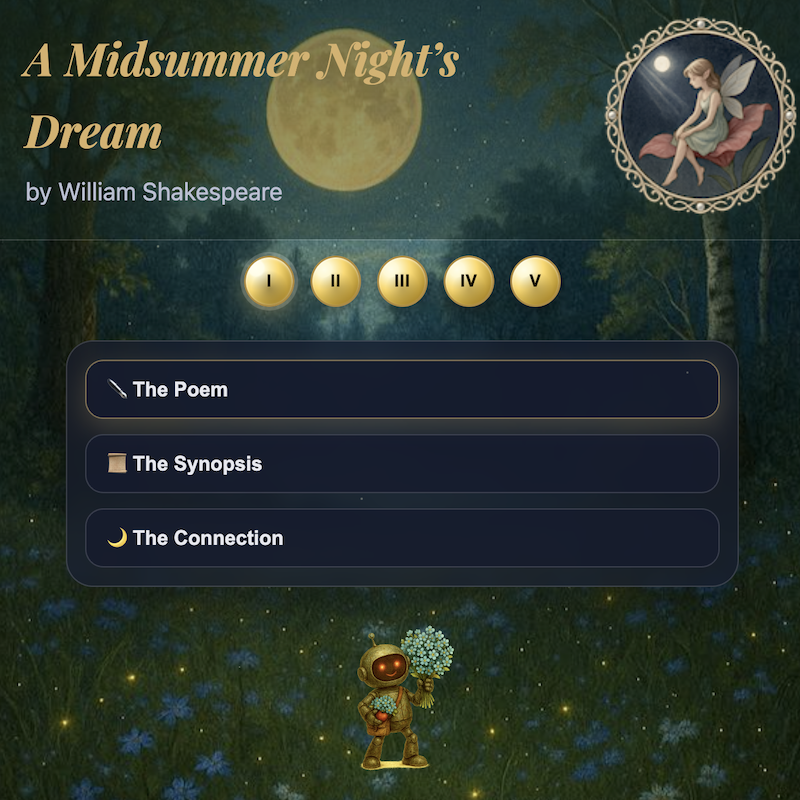
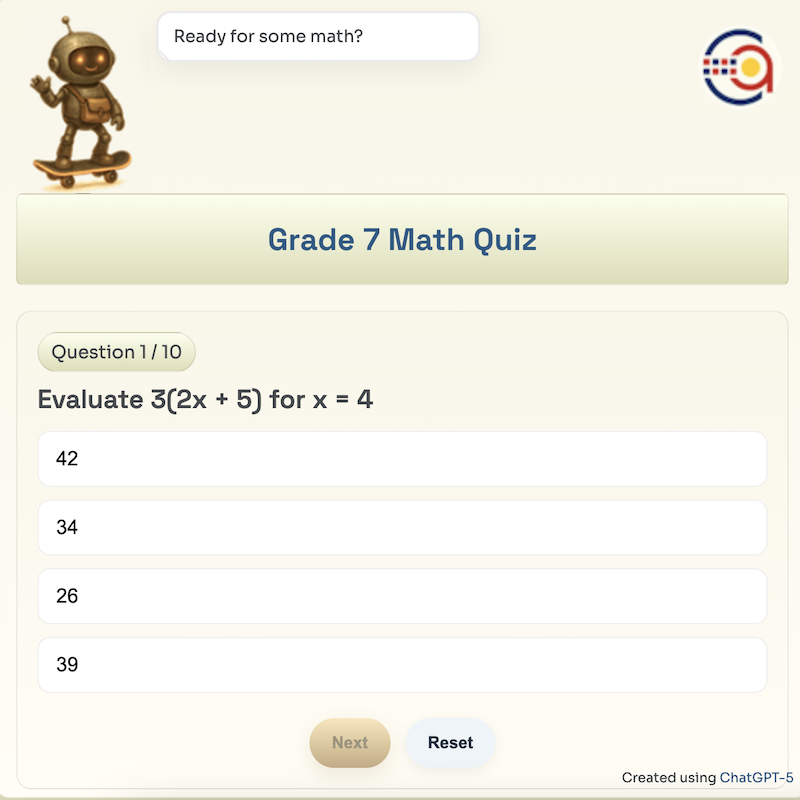
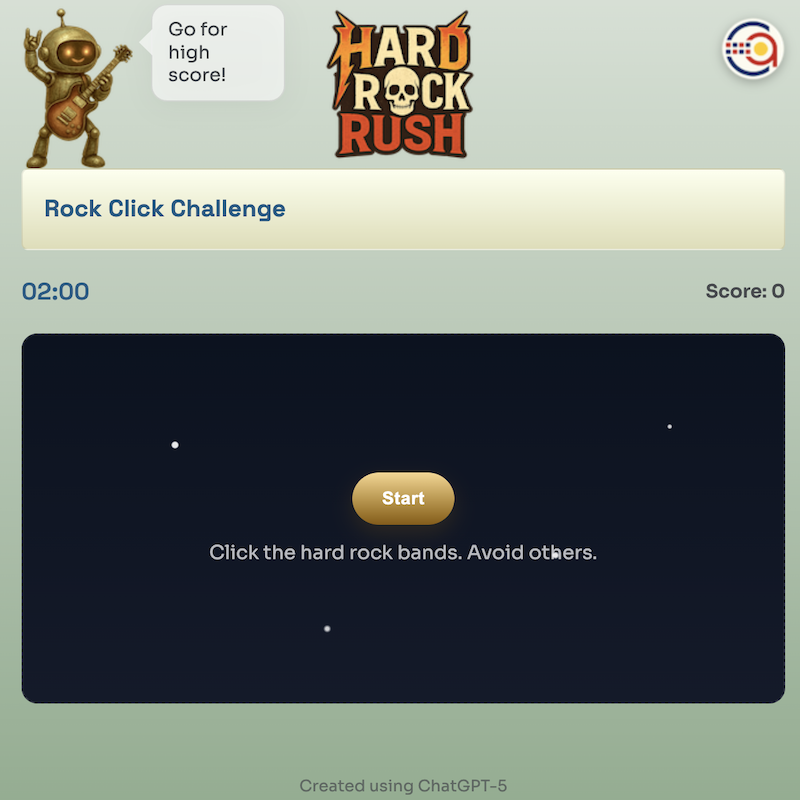
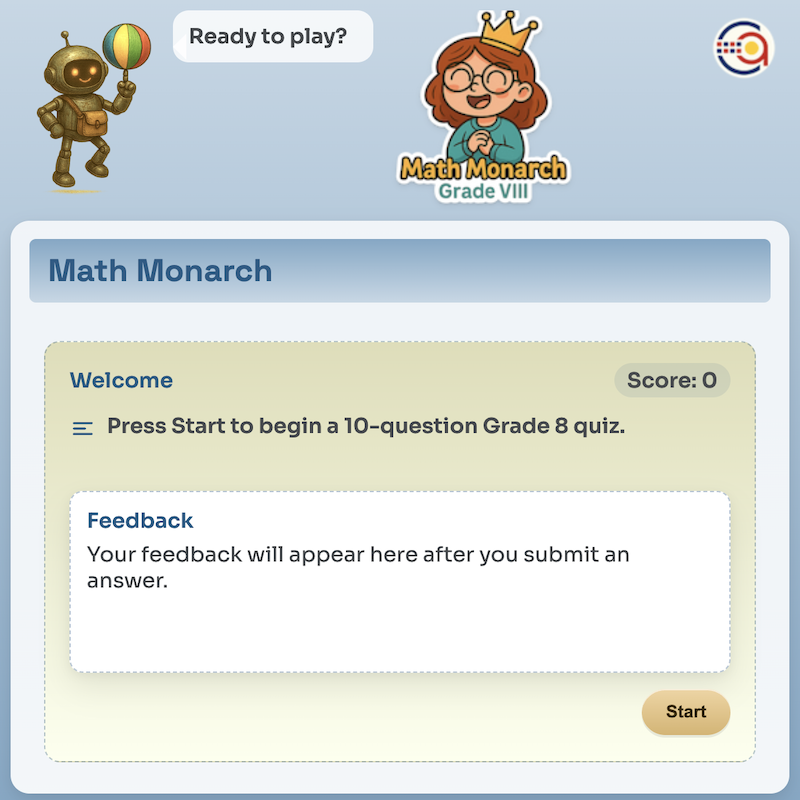
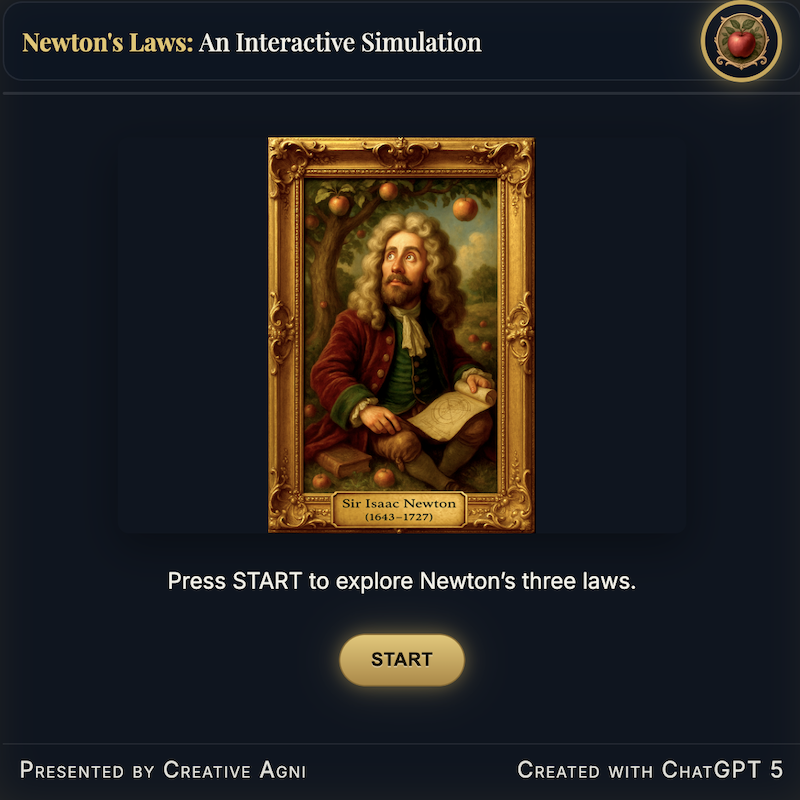
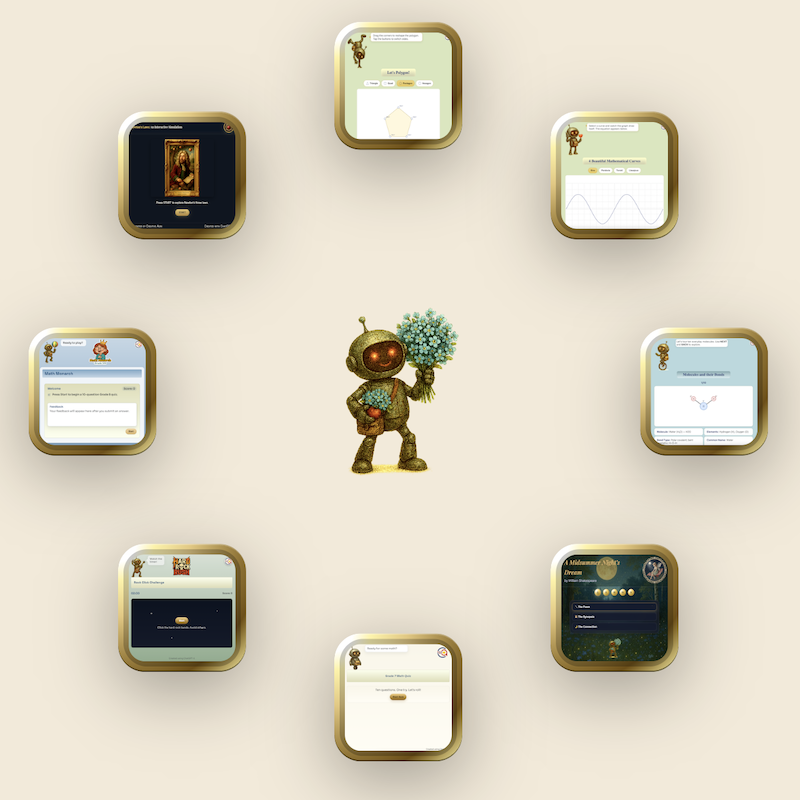
These are a few activities that I vibe-coded with ChatGPT 5. For the record, I cannot program to save my life. The following interactives were all crafted in a couple of weeks. The simpler ones took a few hours, the more complex ones, a day. While instructional design helped me in prompting and prompt-tweaking, I touched not a line of code anywhere. I've added interaction-specific information on each of the cards so that you may go through them. The general process that I followed however, remained as follows:

1. Start by setting the context, establishing the constraints, and providing ChatGPT information about the look, feel, and functionality I required.

2. After receiving the first draft, I would ask ChatGPT for the improvements.

It took us between three (for the simpler ones) and eight (for the more complex ones) feedback loops to craft something that not only looked nice, but also worked.


A Little More About These Activities & Their Relevance

Each Spark you see here was built in collaboration with ChatGPT — from setting constraints and shaping prompts to iterating on design and interactivity. Some came together in a few hours, others took several loops of feedback and refinement, but all were created without me writing a single line of code.

My purpose in sharing these activities is twofold: to demonstrate how generative AI can act as a rapid prototyping partner for instructional designers, and to be transparent about the process. These aren’t “AI-powered” products — they are prototypes built with AI, guided by instructional design expertise and human creativity.

This is where the real promise of AI in learning design lies. It helps us speed up processes that bring us closer to the visualized output, and enables us to improve and tweak our presentation of content beforehand. This, of course, is just one of the ways in which AI can be used creatively by instructional designers, so that they get more control and more time to concentrate on making learning great for their learners.

As instructional designers, our goal is to improve our learner's experience, and this can happen only when we go beyond the obvious, experiment with AI, and refine our methods of communicating with it.